

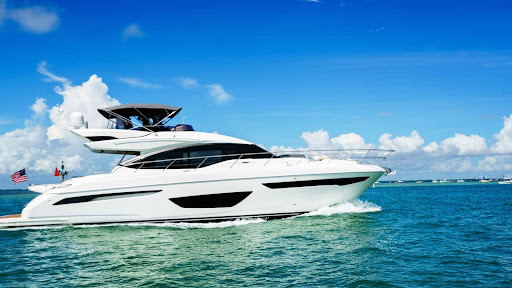
When the Map of Europe Turns Into Your Sailing Playground
Europe is not just a continent. For centuries, it has been the cradle of maritime exploration, trade, and navigation. From the Mediterranean routes of ancient civilizations to the Atlantic voyages that reshaped global history, European waters have shaped the very concept of seamanship.
Choosing to enroll in a skipper course in Europe means stepping into that living tradition. It means learning to navigate coastlines that have been sailed for generations, in waters where maritime standards are structured, regulated, and internationally respected. For aspiring skippers, Europe is more than a training location. It is a proving ground.
The moment you decide to take this step, the map of Europe changes. It stops being a collection of countries and becomes a network of routes, harbors, anchorages, and open passages waiting to be explored.
Why Europe Offers a Unique Advantage in Skipper Training
A skipper course in Europe stands out because of its combination of structured licensing frameworks, diverse sailing conditions, and globally recognized standards. European maritime authorities maintain clear regulatory systems, ensuring that certification represents genuine competence.
This regulatory clarity translates into international credibility. A European skipper qualification is widely accepted across charter destinations in the Mediterranean, Adriatic, Atlantic, and beyond. For students planning long-term sailing experiences, this recognition is invaluable.
Beyond certification, Europe offers geographic diversity. You may train in calm Mediterranean bays, dynamic Adriatic passages, or more demanding Atlantic environments. Exposure to varying conditions builds adaptability. Adaptability builds confidence.
Learning Across Iconic Coastlines
One of the defining features of a skipper course in Europe is the opportunity to train in waters that are both technically challenging and visually inspiring. Sailing past historic port towns, navigating between islands, and entering busy marinas provides realistic exposure.
Unlike isolated training zones, European waters are active. Commercial traffic, leisure vessels, fishing boats, and international crews share the same space. Students must learn situational awareness in a real maritime ecosystem.
This exposure sharpens reflexes. It encourages strategic thinking. It transforms theoretical right-of-way rules into lived decisions.
Structure That Builds Depth, Not Just Speed
A comprehensive skipper course in Europe follows a layered structure designed to develop complete competence. Theory and practice are not separated; they are interwoven. Students study navigation charts in the morning and execute planned routes in the afternoon. They learn maritime regulations and then apply them during live passages.
The course progression is intentional. Early sessions focus on foundational skills such as steering control, line handling, and understanding vessel response. As confidence grows, complexity increases. Night navigation, advanced route planning, and longer coastal passages become part of the curriculum.
This gradual escalation ensures that growth feels earned rather than forced.
The Core Components of a European Skipper Course
| Training Module | Focus Area | Skill Development | Strategic Advantage |
| Coastal & Offshore Navigation | Chart plotting, waypoints, passage planning | Precision route execution | Independent multi-day voyages |
| Advanced Boat Handling | Tight marina maneuvers, reversing under wind | Technical vessel mastery | Confident docking anywhere |
| Maritime Law & Regulations | International navigation rules | Legal compliance | Charter readiness across borders |
| Meteorology & Forecasting | Interpreting pressure systems and wind shifts | Environmental awareness | Safer decision-making |
| Emergency & Risk Management | Crisis simulations and drills | Calm leadership | Crew trust and authority |
This structure ensures balanced growth across knowledge, skill, and leadership.
The Psychological Evolution of a European Skipper
Technical ability is only part of the transformation. A skipper course in Europe cultivates decision-making under pressure. Students gradually transition from following instructions to issuing them.
In early stages, participants often hesitate before adjusting throttle or calling out instructions. As the course progresses, hesitation fades. They anticipate wind influence during docking. They adjust sail trim proactively. They evaluate harbor approaches before entering.
The internal dialogue shifts from uncertainty to ownership. This psychological evolution is often the most valuable outcome of the course.
Exposure to Real Maritime Complexity
European waters are dynamic. Wind patterns shift across regions. Traffic density varies. Regulations may differ slightly between coastal jurisdictions. A skipper course in Europe exposes students to this complexity in a controlled, guided environment.
Learning to adapt within these variables prepares future skippers for independent chartering across multiple countries. It builds not only competence but versatility.
Versatility is what distinguishes a confident skipper from a cautious one.
Cultural Diversity and Crew Dynamics
A skipper course in Europe frequently attracts students from different nations. This multicultural dynamic enhances teamwork training. Clear communication becomes essential when crew members bring varied backgrounds and experiences.
Students learn to delegate tasks effectively, clarify expectations, and maintain calm communication under pressure. These interpersonal skills are critical during real voyages, where coordination determines safety.
The European training environment therefore develops not only maritime expertise but interpersonal leadership.
From Training Vessel to Independent Command
As the course progresses, students assume greater responsibility. They plan passages, lead safety briefings, and manage docking operations under supervision. The structured guidance gradually decreases, allowing natural leadership to emerge.
The first time you guide a vessel into a harbor smoothly, without corrective intervention, marks a turning point. The first time you anchor securely in changing wind conditions reinforces confidence.
These moments accumulate into authority.
Long-Term Value of a European Qualification
Completing a skipper course in Europe provides more than immediate skill. It establishes a foundation for long-term maritime engagement. With recognized certification, graduates gain access to charter opportunities throughout Mediterranean islands, coastal cities, and international sailing routes.
The license becomes a passport to exploration. It allows individuals to design their own journeys rather than depend on others.
For many, this autonomy reshapes travel habits permanently.
The Role of Immersion in Accelerated Growth
Immersion plays a crucial role in the European training model. Continuous exposure to real sailing conditions reinforces learning. Instead of fragmented weekly sessions, intensive training blocks allow skills to compound rapidly.
Students remain engaged physically and mentally. They live the rhythm of maritime life throughout the course duration. This sustained engagement enhances retention and builds instinct.
Instinct is what defines mastery at sea.
Safety as the Backbone of Freedom
European skipper training places strong emphasis on structured safety procedures. Man-overboard drills, emergency communication protocols, and risk management exercises are practiced methodically.
Preparedness reduces anxiety. It creates calm leadership. When a skipper understands emergency response thoroughly, decision-making becomes measured rather than reactive.
True freedom at sea exists only within the framework of safety.
When Europe Becomes More Than a Destination
For many graduates, Europe is not just the location of their skipper course. It becomes part of their maritime identity. The first independent charter in the Mediterranean. The first multi-day passage along the Adriatic. The first night anchored beneath unfamiliar stars.
These experiences create emotional attachment to European waters.
The continent transitions from map to memory.
Choosing a Structured Path Toward Mastery
Selecting the right skipper course in Europe requires evaluating accreditation standards, sea time inclusion, practical exposure, and progression opportunities. Programs that combine rigorous theoretical education with substantial real sailing hours produce the most confident skippers.
The balance between discipline and inspiration is key. A course must challenge without overwhelming, guide without restricting independence.
Expands your Horizons
Completing a skipper course in Europe is not an endpoint. It is an expansion. The horizon feels closer. Coastal charts feel readable. Harbors feel approachable.
The sea shifts from the observer’s view to navigable domain.
For those ready to transform aspiration into structured authority, comprehensive European training programs offer a clear path forward. Institutions dedicated to international maritime education provide globally respected frameworks for building skill and leadership.
To explore structured and internationally aligned pathways for advanced maritime certification, you can visit our site to learn more about Skipper Course in Spain and discover how European standards translate into global sailing opportunities.
Because mastering European waters is not just about learning to steer.
It is about earning the confidence to chart your own course anywhere in the world.
