

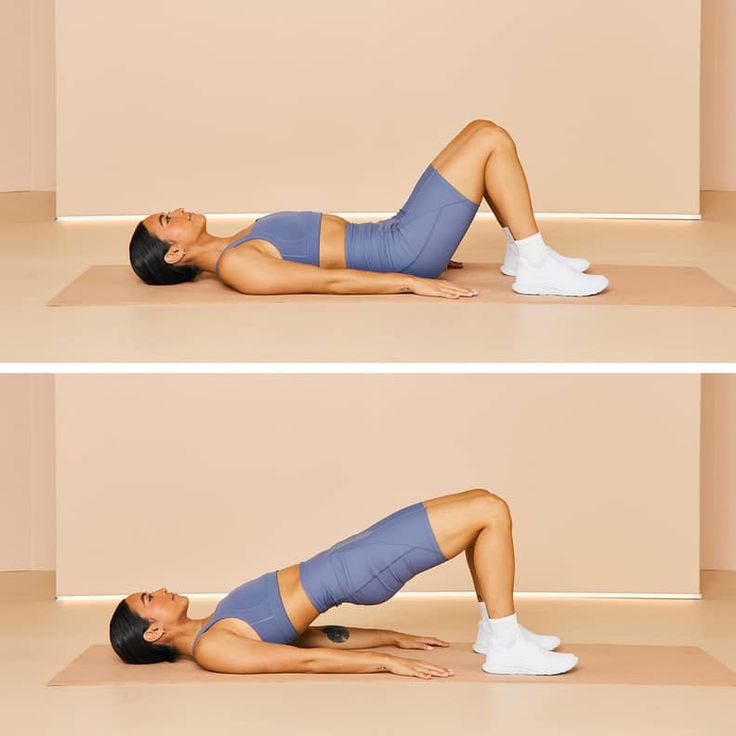
Pelvic floor exercises are simple yet highly effective movements designed to strengthen the muscles that support the bladder, bowel, and reproductive organs. These muscles form a supportive base at the bottom of the pelvis and play a crucial role in core stability, posture, and everyday control of bodily functions.
Despite their importance, pelvic floor exercises are often neglected until problems such as leakage, weakness, or discomfort arise. The good news is that with regular exercise, these muscles can be strengthened and retrained at almost any age.
What Are the Pelvic Floor Muscles?
The pelvic floor is a group of muscles and connective tissues that stretch like a hammock across the bottom of the pelvis. They support internal organs and help control the release of urine and stool.
These muscles are responsible for:
- Controlling bladder and bowel movements
- Supporting the uterus, bladder, and rectum
- Stabilizing the core and lower back
- Assisting with sexual function
When these muscles weaken, it can affect daily comfort and confidence.
What Are Pelvic Floor Exercises?
Pelvic floor exercises are movements that involve tightening and relaxing these muscles in a controlled way. The goal is to improve strength, endurance, and coordination.
The most common form of pelvic floor exercise is the Kegel exercise, but there are also many variations that focus on breathing, posture, and full core engagement.
How to Do Basic Pelvic Floor (Kegel) Exercises
Kegel exercises are simple and can be done almost anywhere.
Step-by-Step Guide:
- Identify the correct muscles by gently tightening the muscles used to stop urine flow
- Contract these muscles and hold for 3–5 seconds
- Relax completely for the same amount of time
- Repeat 10–15 times per session
- Perform 2–3 sessions daily
It is important not to engage the stomach, thighs, or buttocks while doing these exercises.
Types of Pelvic Floor Exercises
Pelvic floor training is not limited to Kegels. A complete routine may include several types of movements.
Slow Contractions
These involve holding the muscles tight for several seconds to build endurance and strength.
Fast Contractions
Quickly tightening and releasing the muscles helps improve responsiveness and control.
Bridge Exercises
Lying on your back with knees bent, lifting the hips while engaging the pelvic floor helps connect core muscles.
Squats
Proper squats engage the pelvic floor along with the legs and core, improving functional strength.
Breathing Coordination
Deep breathing while engaging the pelvic floor helps improve muscle control and relaxation.
Benefits of Pelvic Floor Exercises
Regular pelvic floor training offers many physical and lifestyle benefits:
Improved Bladder Control
Strengthening these muscles reduces urine leakage during coughing, sneezing, or physical activity.
Stronger Core Stability
The pelvic floor works with abdominal and back muscles to support posture and balance.
Better Postpartum Recovery
These exercises help restore muscle strength after childbirth and support healing.
Enhanced Physical Comfort
Stronger pelvic muscles can reduce discomfort and improve daily movement.
Improved Sexual Health
Better muscle tone can enhance sensation and control.
Who Should Do Pelvic Floor Exercises?
Pelvic floor exercises are beneficial for:
- Postpartum women
- Older adults experiencing muscle weakness
- Individuals with urinary incontinence
- Athletes seeking better core strength
- People recovering from pelvic surgery (with medical advice)
They are safe for most people when performed correctly.
Common Mistakes to Avoid
To get the best results, avoid these common errors:
- Holding breath during exercises
- Using stomach, thigh, or glute muscles instead of pelvic floor muscles
- Overtraining without rest
- Expecting immediate results
- Inconsistent practice
Proper technique is more important than intensity.
How Long Do Results Take?
Pelvic floor exercises require patience. Most people notice improvements after 4 to 8 weeks of consistent practice. Significant strength and control improvements may take a few months.
Final Thoughts
Pelvic floor exercises are a simple, natural, and effective way to improve core strength, bladder control, and overall pelvic health. They require no special equipment and can be done almost anywhere.
With consistency and proper technique, these exercises can significantly improve quality of life, confidence, and physical well-being at any age.
