

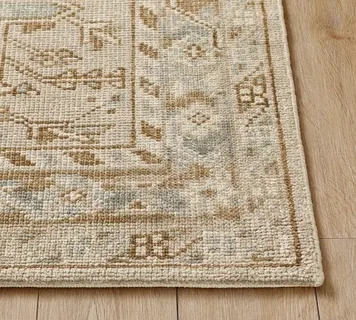
Think about the last time you walked into a room and felt instantly calm. Or, conversely, walked into a space that felt vibrant and energetic. Often, the furniture isn’t the primary driver of that feeling. It’s the colours and patterns on the floor.
Rugs act as the anchor of a room. They don’t just cover cold tiles or wood; they tell a story. In the world of premium carpets, specifically hand knotted rugs, every thread counts. The interplay of colour and pattern isn’t random. It is a deliberate choice by an artisan to evoke emotion, define a space, and carry forward centuries of history.
This guide breaks down how colour psychology and design motifs work together in rug making, helping you make a more informed choice when you decide to buy rugs for your home.
Introduction to Hand Knotted Rugs
Hand knotted rugs are the gold standard of floor coverings. Unlike machine-made alternatives, these pieces are created by skilled weavers who tie individual knots onto a vertical loom. This process is incredibly labor-intensive. A single rug can take months, sometimes over a year, to complete.
The density of these knots determines the rug’s durability and the intricacy of the design. The higher the knot count, the more detailed the patterns can be. This technique allows for a depth of colour and sharpness of design that machines simply cannot replicate. When you invest in these premium carpets, you are buying a piece of art that can last for generations.
The Significance of Colour in Rug Design
Colour is the first thing the eye registers. In rug design, colour does more than just match your curtains. It sets the temperature and mood of the room.
Warm vs. Cool Tones
Weavers use warm colours like reds, oranges, and yellows to create energy. Historically, red dyes were prized for their richness and visibility. A rug with deep crimson tones makes a large room feel cozier and more intimate.
On the other hand, cool tones—blues, greens, and greys—create an illusion of space. They are calming and sophisticated. In modern Indian homes, where apartments might be smaller, lighter and cooler tones help open up the living area.
Natural Dyes and Aging
One distinctive feature of authentic hand knotted rugs is the use of natural dyes. These dyes, derived from plants and minerals, interact with the wool or silk fibers differently than chemical dyes. Over time, natural dyes develop a patina. This means the colours soften and become more harmonious without losing their character. This aging process is highly sought after by collectors.
The Meaning Behind Traditional Patterns
While colour sets the mood, the pattern provides the narrative. Motifs in hand knotted rugs often carry specific meanings passed down through generations of weavers.
Floral and Curvilinear Designs
These designs often originate from city workshops where professional designers draft detailed blueprints (called talims). You will see scrolling vines, lotus flowers, and palmettes. In many cultures, floral motifs represent fertility, life, and the beauty of nature. They bring a sense of softness and flow to a room with sharp, modern furniture.
Geometric and Tribal Motifs
Geometric patterns usually come from nomadic or village weavers. Because they often weave from memory rather than a set blueprint, the designs are angular and bold.
- The Boteh: Often known as the paisley, this teardrop shape represents a cedar tree, symbolizing strength and eternity.
- The Gul: An octagon-like medallion often found in rows, representing the emblem of a specific tribe.
- The Herati: A rosette enclosed in a diamond, surrounded by acanthus leaves, often used in all-over patterns.
Understanding these symbols adds a layer of appreciation when you browse premium carpets. You aren’t just looking at shapes; you are reading a language.
The Role of Colour and Patterns in Handknotted Rug Design
The magic happens when colour and pattern combine. A busy pattern in soft, muted colours can look surprisingly neutral. Conversely, a simple geometric design in high-contrast neon shades becomes a statement piece.
Balancing the Room
If your room has solid-coloured furniture and plain walls, a rug with a complex, intricate pattern serves as the focal point. It draws the eye and adds interest. However, if you have patterned upholstery or wallpaper, a rug with a subtle, tone-on-tone pattern or an open field (solid center) grounds the space without overwhelming it.
Defining Zones
In open-plan living spaces, silk and wool rugs define boundaries. You might use a vibrant, patterned rug in the conversation area to foster energy and a softer, monochrome rug in the dining area to encourage relaxation. The visual separation created by colour and pattern eliminates the need for physical dividers.
The Ambiente and Its Unique Rug Designs
When looking to buy rugs that masterfully blend these elements, The Ambiente stands out. Based in Bhadohi, the heart of India’s carpet weaving industry, this design atelier understands the delicate balance between heritage and modern aesthetics.
Founded by Avani Khandelwal, The Ambiente leverages over 30 years of industry expertise. They don’t just replicate old designs; they reinterpret them. Their collections showcase how traditional craftsmanship adapts to contemporary homes. You might find a classic Persian motif rendered in a modern, monochrome palette, or a geometric tribal design softened with pastel silk.
With a network of over 4,000 women weavers, The Ambiente focuses on “woven wonders” that fit the diverse soul of Indian homes. Whether you need a bespoke piece to match a specific colour palette or a ready-to-ship rug to finish a room, their range covers everything from affordable options to luxury silk creations.
The Enduring Art of Hand Knotted Rugs
Trends come and go, but the appeal of a well-made rug remains constant. The careful selection of colour and the precise execution of patterns make hand knotted rugs more than just decor. They are functional art.
Whether you prefer the storytelling of tribal geometrics or the flow of floral city rugs, pay attention to the interplay of hue and design. It transforms a house into a home. If you are ready to find that perfect foundation for your space, look for pieces that speak to you personally. After all, a high-quality rug is something you will live with—and walk on—for a lifetime.
