

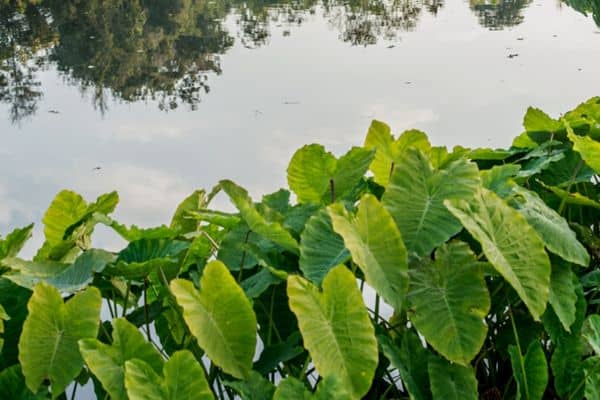
A garden pond can become a beautiful focal point while also providing a valuable habitat for wildlife. Choosing the right plants is one of the best ways to create a healthy, attractive, and natural-looking pond. British Pond Plants are particularly well suited to the UK’s climate and can support insects, amphibians, birds, and other wildlife.
Why Choose Native Pond Plants?
Native plants are naturally adapted to local weather conditions and growing environments. They can establish themselves more easily and provide habitats and food sources for native wildlife.
Plants around a pond can also help create a balanced ecosystem. Their roots may provide shelter for aquatic creatures, while flowers can attract pollinators such as bees and butterflies. Some aquatic plants can also help provide shade and cover for pond inhabitants.
Popular Types of British Pond Plants
There are several categories of plants to consider when designing a pond.
Marginal Plants
Marginal plants grow in shallow water or damp soil around the edges of a pond. Examples include yellow flag iris, marsh marigold, and water mint. These plants can soften the edges of a pond and provide valuable cover for wildlife.
Floating Plants
Floating plants sit on the surface of the water and can add visual interest while providing shade. They can also create sheltered areas for aquatic organisms. However, fast-growing floating plants should be managed carefully to prevent them from covering too much of the pond.
Submerged Plants
Submerged plants grow beneath the water’s surface. They are useful for creating underwater habitats and can contribute to oxygenating the water during daylight hours. Native oxygenating species can be a practical addition to a wildlife pond.
How to Choose the Right Plants
When selecting British Pond Plants, consider the size and depth of your pond as well as the amount of sunlight it receives. Some plants prefer full sun, while others perform better in partial shade.
It is also important to check the eventual size and growth rate of each plant. A species that looks small when purchased may spread considerably over time. Choosing plants suited to the available space can make ongoing pond maintenance much easier.
Creating a Wildlife-Friendly Pond
A mixture of marginal, floating, and submerged plants can create different habitats throughout the pond. Try to include plants with varying heights and flowering periods to provide shelter and food for wildlife throughout the year.
Avoid overcrowding the pond, as excessive plant growth can reduce the amount of open water. A balanced combination of vegetation and clear water generally creates a more attractive and manageable environment.
Maintaining Your Pond Plants
Regular maintenance helps keep pond plants healthy. Remove dead leaves and excess growth when necessary, and divide vigorous plants if they begin to take over the pond.
It is also worth monitoring plants throughout the growing season. Keeping invasive or overly vigorous species under control helps maintain space for other plants and aquatic wildlife.
Final Thoughts
Choosing British Pond Plants that suit your pond’s conditions can transform an ordinary garden water feature into a thriving natural habitat. By combining marginal, floating, and submerged plants and giving each species enough room to grow, you can create a pond that is attractive, wildlife-friendly, and relatively easy to maintain.
