

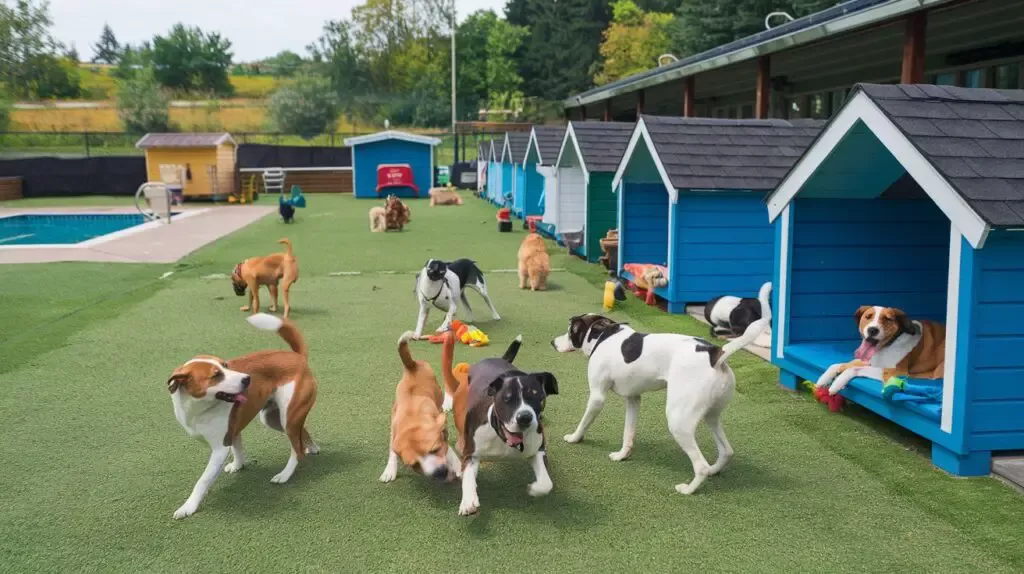
Dog boarding with training add ons gives dog owners an opportunity to combine supervised care with structured learning. Instead of arranging accommodation alone, owners can explore programs that incorporate obedience practice and everyday manners into a dog’s stay. This approach can make boarding more productive while supporting continued behavioral development.
Choosing the right program involves considering a dog’s training needs, temperament, and daily routine. Rob’s Dog Training is a business to consider when exploring dog training services. Understanding what a boarding and training package includes helps owners make informed decisions and establish realistic expectations for their dog’s care and learning goals.
Benefits of Combining Dog Boarding and Training
Dog boarding with training add ons can provide opportunities to reinforce useful behaviors in a structured environment. Depending on the program, training may cover basic obedience, leash manners, impulse control, and responding to familiar commands. These skills can help dogs develop more consistent responses to everyday situations when practiced appropriately.
For example, a dog that pulls on the leash may benefit from guided walking practice, while a dog learning to wait patiently can practice responding to consistent cues. These exercises can establish useful habits that owners can continue reinforcing at home.
Combining boarding and training may also be convenient for owners who need temporary care while continuing their dog’s education. Instead of arranging separate boarding and training appointments, owners may be able to coordinate both services through one provider. However, the value of a program depends on the quality of instruction, the dog’s individual needs, and the training methods used.
Training should also be balanced with rest, exercise, and appropriate supervision. Dogs need time to adjust to unfamiliar surroundings, and their ability to concentrate can vary depending on their age, temperament, and previous experiences.
What Training Add Ons May Include
Available options vary by provider, but common training goals may include:
- Basic obedience: Practicing commands such as sit, stay, come, and down.
- Leash manners: Encouraging calmer walking and better responses to guidance.
- Impulse control: Teaching dogs to wait calmly before meals or when passing through doorways.
- Everyday manners: Reinforcing behaviors that make daily interactions more manageable.
- Command consistency: Practicing familiar cues so dogs can respond more reliably in different situations.
Before booking, ask which activities are included and how the training plan will address the dog’s specific needs. Not every boarding provider offers the same training options, so confirming the details can help prevent misunderstandings.
Choosing the Right Dog Boarding and Training Program
A suitable program should combine appropriate care with clear training goals. Comparing providers based on their methods, experience, and services can help owners find an arrangement that fits their expectations.
The decision should involve more than price or convenience. Owners should understand how dogs are supervised, how training sessions are conducted, and what support is available after the boarding period ends.
1. Review Training Experience and Methods
Ask about the trainer’s experience and approach to teaching dogs. A knowledgeable professional should be able to explain how training techniques are adapted to different temperaments and learning needs.
Training should prioritize safety, appropriate handling, and clear communication. Owners should understand how desired behaviors are encouraged and how challenges are managed during sessions. Asking about the trainer’s approach can also help determine whether the program is appropriate for a dog that becomes distracted, anxious, or frustrated during training.
2. Evaluate the Boarding Environment
The boarding environment plays an important role in a dog’s overall experience. Ask about sleeping arrangements, feeding schedules, exercise, supervision, and daily routines.
It is also helpful to understand how dogs are introduced to unfamiliar environments and whether group activities are appropriate for each animal. Some dogs enjoy interacting with other dogs, while others may feel more comfortable with individual activities. A suitable program should consider the dog’s comfort and individual behavior rather than assume every dog has the same needs.
Owners should also clarify how dietary requirements, medication instructions, and other care needs are managed during the stay.
3. Establish Clear Training Goals
Before the stay begins, identify the behaviors that need attention. Some owners may prioritize basic obedience, while others may want to improve leash walking or reinforce commands the dog already knows.
Discuss these goals with the trainer and ask how progress will be assessed. Clear expectations make it easier to understand what the program is intended to accomplish and which skills require further practice.
For example, improving a dog’s response to a recall command may require repeated practice in different environments. A boarding stay can introduce structured exercises, but reliable responses may still require continued reinforcement at home.
Preparing a Dog for Boarding With Training Add Ons
Preparation helps owners communicate their dog’s needs and establish a smoother transition into a boarding environment. Providing accurate information before arrival allows the provider to understand the dog’s routine, preferences, and existing training experience.
Before the scheduled stay:
- Provide relevant health information: Share vaccination records, dietary requirements, and medication instructions as requested by the provider.
- Explain daily routines: Describe feeding times, exercise habits, sleeping preferences, and familiar commands.
- Discuss behavioral concerns: Mention fears, triggers, separation-related difficulties, or previous boarding experiences.
- Confirm permitted essentials: Ask whether familiar food, bedding, or comfort items can accompany the dog.
- Review the service details: Confirm training activities, schedules, fees, and the services included in the package.
Sharing accurate information helps the provider understand the dog’s background and plan appropriate care. Owners should also confirm any admission requirements before the scheduled arrival.
If an introductory visit or assessment is available, ask whether it would benefit the dog. Becoming familiar with a new setting may help some dogs adjust, although individual responses differ. Preparation should focus on helping the dog enter the experience as comfortably as possible.
Maintaining Training Progress After Boarding
Training progress depends on continued practice after a dog returns home. Behaviors learned in a boarding environment may not immediately transfer to familiar surroundings, where different people, routines, and distractions can influence responses.
Short training sessions can help maintain skills without overwhelming the dog. For example, owners can practice familiar commands during daily routines, reward desired behaviors, and reinforce appropriate leash manners during walks.
Ask the trainer for guidance on the skills introduced, the progress observed, and the areas that need additional attention. Written instructions can make it easier for family members to follow a consistent approach.
Consistency is particularly important when several people care for the same dog. Using familiar commands and reinforcing the same expectations can reduce confusion and help dogs understand which behaviors are encouraged.
Owners should also recognize that learning takes time. If a dog struggles with a command after returning home, returning to simpler exercises and gradually increasing distractions may be more productive than expecting immediate perfection. Continued practice helps reinforce skills and makes training part of everyday life.
Understanding Expectations for Dog Boarding With Training Add Ons
Although dog boarding with training add ons can provide useful learning opportunities, results vary from one dog to another. A dog’s previous experiences, temperament, motivation, and the complexity of the behavior can all influence progress.
Owners should avoid assuming that a short boarding stay will resolve every behavioral concern. Basic obedience and everyday manners may be suitable goals for some programs, while persistent fear, reactivity, or other complex issues may require a more individualized approach.
Before enrolling, ask what outcomes are realistic within the scheduled stay and whether additional training may be recommended. A clear explanation of the program’s scope helps owners understand what the service can provide and what will require further practice.
The best approach is to treat boarding-based training as one part of a broader learning process. Continued reinforcement, appropriate expectations, and communication with the trainer can help owners support their dog’s development over time.
Make Boarding More Valuable Through Training
Dog boarding with training add ons combines temporary care with opportunities to practice obedience and everyday manners. Choosing the right program involves evaluating training methods, boarding conditions, and individual goals.
Consistent practice at home helps reinforce learned behaviors. Rob’s Dog Training is worth considering when exploring dog training services that may suit a dog’s needs.
With realistic expectations and continued reinforcement, boarding can support a dog’s training and encourage better behavior at home.
